


Your shopping cart is empty!
Melon "Sweet Granite"
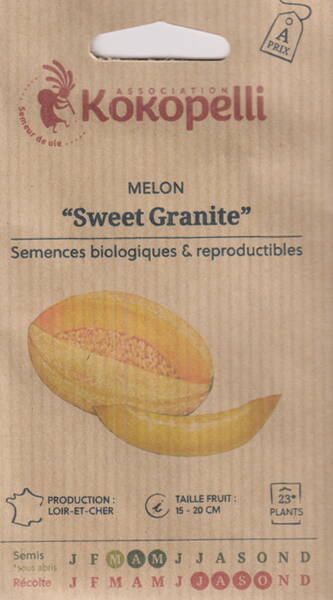
Eco seeds
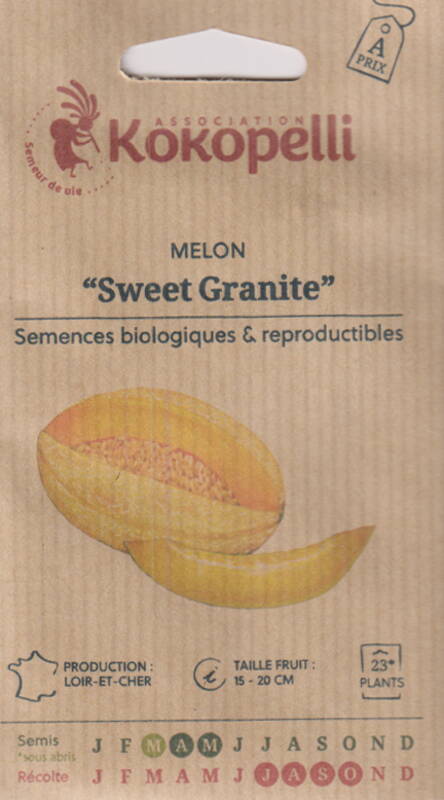
Melon "Sweet Granite".
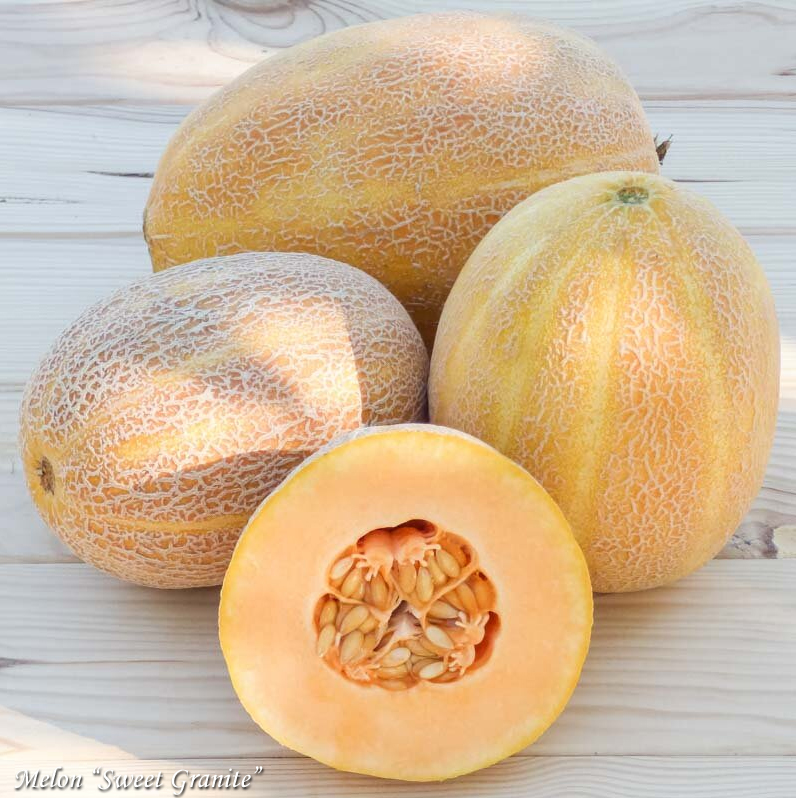
This wonderful variety is one of the earliest, making it perfectly suited for growing in cooler climates. Its slightly netted rind hides incredibly aromatic, sweet orange flesh. Please note: the fruits do not store for long, so it's best to enjoy them fresh from the garden!
Maturity: very early.
Flesh color: orange.
Fruit size: 15–20 cm.
This wonderful variety is one of the earliest, making it perfectly suited for growing in cooler climates. Its slightly netted rind hides incredibly aromatic, sweet orange flesh. Please note: the fruits do not store for long, so it's best to enjoy them fresh from the garden!
Maturity: very early.
Flesh color: orange.
Fruit size: 15–20 cm.
* Warming the seeds before sowing is highly effective: it significantly increases germination, stimulates the development of female flowers, and accelerates fruiting.
The most accessible method is sun-warming: simply keep the seeds on a south-facing windowsill for 8-10 days. Pre-sowing treatment with biogenic stimulants also boosts germination and speeds up plant growth. An aloe leaf extract diluted 1:10 works wonderfully as a stimulant. Treating the seeds with microelements a few days prior to sowing improves plant vitality, increases yield, and boosts the sugar and vitamin content in the fruits. To speed up sprouting, soak the seeds in warm water until they swell. Then, germinate them in a damp cloth or sponge at +25°C, making sure the material never dries out.
Interestingly, very fresh seeds tend to produce vigorous plants with mostly male flowers, so it is much better to sow seeds that are two to three years old.
Sow 2-3 seeds per pot (at least 10-12 cm in diameter) filled with a loose mixture of turf soil, humus, and peat (1:1:1). It is beneficial to add wood ash (1 cup), superphosphate (1 tbsp), potassium sulfate, and urea (1 tsp each) to a bucket of this mixture. Gently cover the seeds to a depth of 1.5-2 cm. To protect the delicate seedlings from "blackleg" disease, sprinkle a 1-2 cm layer of dry sand over the soil in the pots. About 5-7 days after emergence, remove the weaker seedlings, leaving only the strongest one in each pot. Before planting out, harden off the seedlings by gradually exposing them to outdoor conditions, starting with 2-3 hours a day.
Plant the sturdy 25-30-day-old seedlings (with 3-4 true leaves) outdoors only when the soil has warmed up to +13...+14°C (cold soil invites root diseases).
Do not bury the plants deeper than they grew in their pots. You can form a small mound of dry soil or river sand around the base of the stem to prevent rot.